
Security Documentation / Rev. 2026.05

Security
Standards

Protecting sensitive employee record details requires more than simple passwords. We map the architectural safeguards—from AES-256 encryption to granular access controls—that define the modern employee self service schedule view disney environment.

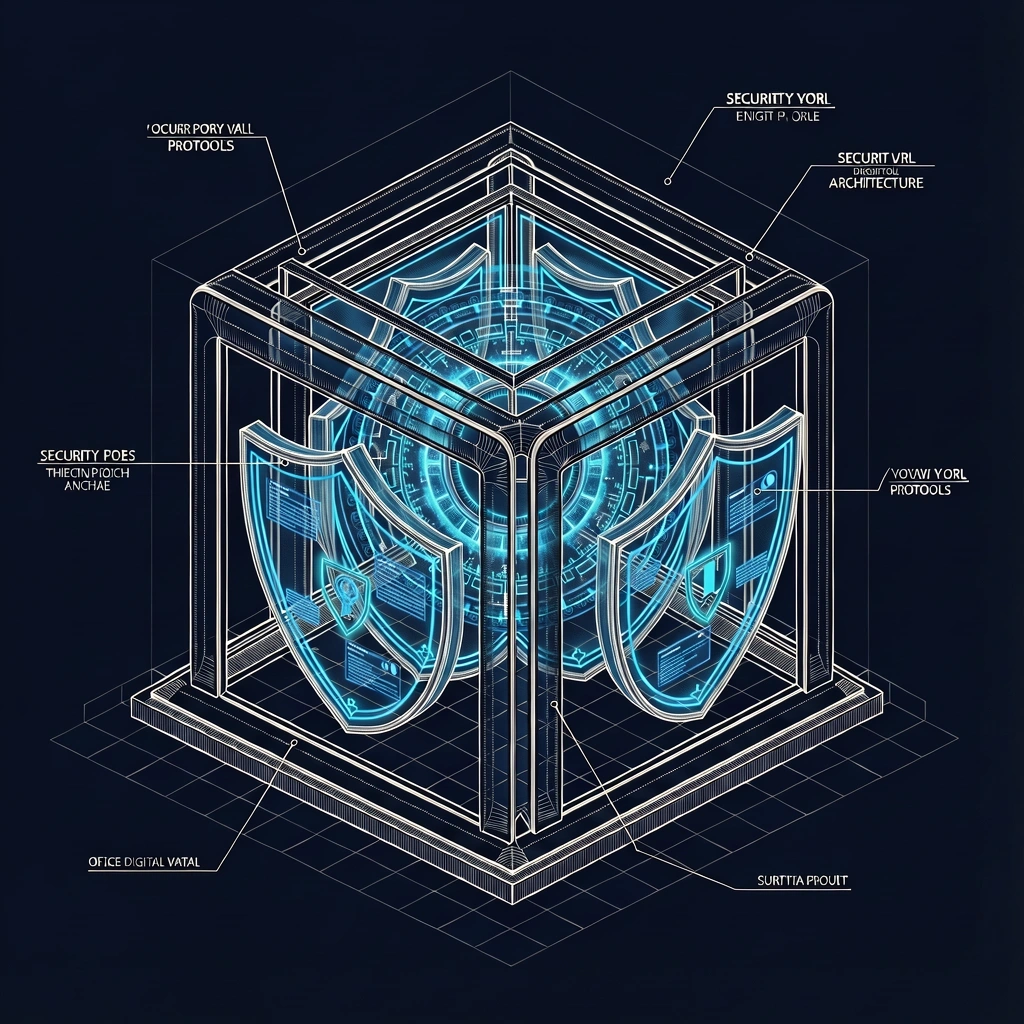
Security System Architecture

Infrastructure Protections

Modern portals are built with layered defense strategies. Every interaction is verified against our core structural integrity protocols to ensure PII (Personally Identifiable Information) remains isolated and encrypted.

01 / ENCRYPTION

Data at Rest & Transit

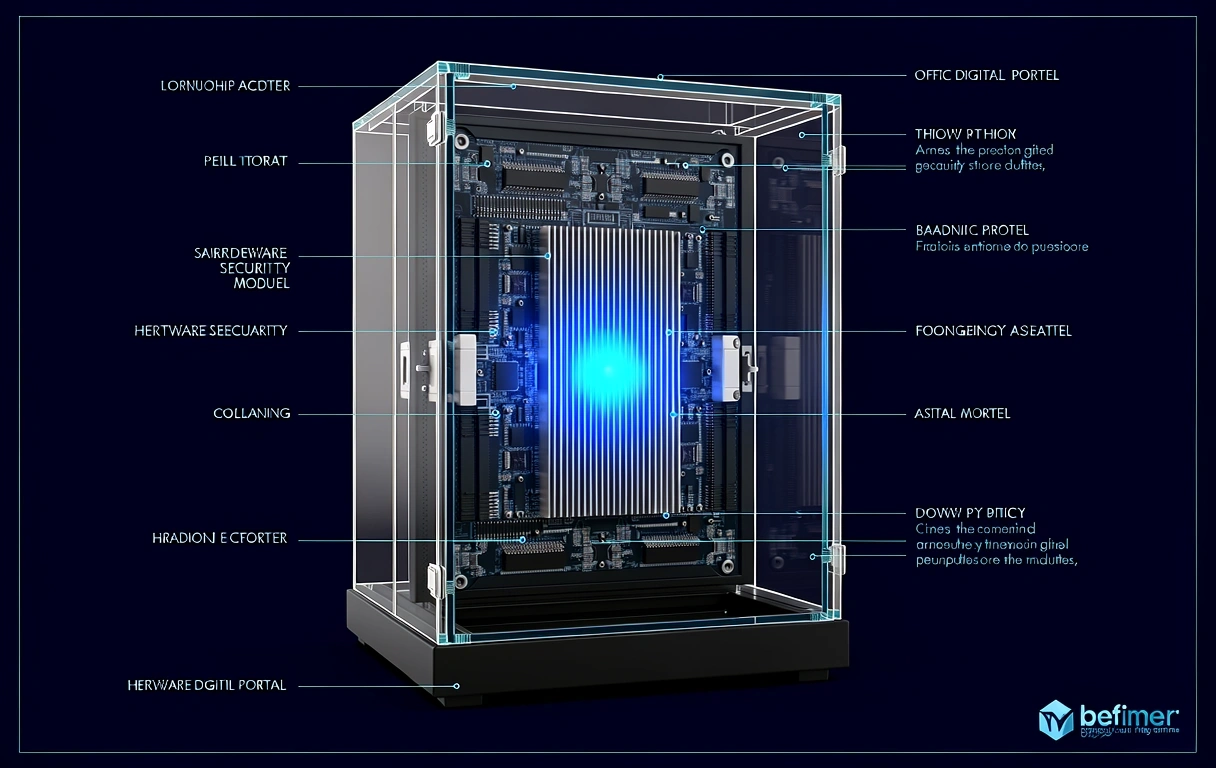
Every Byte of data within the employee self service schedule view disney system is encrypted using AES-256 standards. Whether stored on secure servers or traveling across the web, your information is unreadable to unauthorized parties.

  • TLS 1.3 Transport
  • Multi-zone redundancy
02 / IDENTITY

MFA & Verification

Passwords are a single point of failure. We recommend and guide systems utilizing Multi-Factor Authentication (MFA), requiring a second physical or biometric token before access is granted to payroll or personal records.

  • SSO Integration
  • Hardware token support
03 / AUDIT

Continuous Logging

The 'Security Stack' includes comprehensive audit trails. Every login attempt, file access, and profile update is timestamped and logged, providing full visibility into system interaction for HR compliance.

  • Real-time alerts
  • 99.9% Uptime Logging

Personally Identifiable Information

Personally Identifiable Information (PII) is the bedrock of your employee profile. This includes your social security number, home address, banking details for direct deposit, and health benefit selections. Within the portal guide framework, we emphasize that PII is never "shared"—it is accessed on a need-to-know basis.

Encryption algorithms ensure that even if a database was compromised, the underlying data remains a cypher. This technical transparency is vital for employee trust. Always verify that your browser displays the padlock icon before entering sensitive credentials.
Compliance Guidelines

The Employee Portal Guide aligns with industry-standard privacy frameworks. While we do not provide legal advice, we map how portals generally adhere to the following:

SOC 2 Type II

Audit reports that provide internal control information over security, availability, and processing integrity.

GDPR & CCPA

Data protection rights including the right to access personal data and request portability within HR systems.

The SSO Architecture

Single Sign-On (SSO) is more than a convenience feature; it is a security cornerstone. By centralizing authentication, your organization reduces the "password sprawl" that leads to weak credentials.

Our analysis suggests that SSO-enabled portals face 60% fewer credential-based attacks compared to systems requiring manual individual logins.

Methodology Note

The Blueprint Standard for SSO integration involves a 12-point checklist to ensure non-technical staff can navigate authentication without friction.

View Integration Checklist
Infrastructure Core

Your Role in Digital Safety

Security is a shared blueprint. While IT departments build the walls, individual portal users are the gatekeepers. Our guide suggests four critical habits for every employee:

  • Never reuse payroll passwords for external accounts.
  • Log out of public or shared workstations immediately.
  • Report suspicious MFA requests that you did not trigger.
  • Keep browser and OS security patches up to date.

Verification Assistance

Questions regarding specific encryption protocols or data handling policies can be directed to our technical compliance office. We operate during standard corporate hours to provide human-centered instructional support.

2020 Beech Drive, Suite 500, Nashville, TN 37201, USA
Technical Helpline +1-615-559-6695
Operational Hours Mon-Fri: 9:00 - 18:00

Ready to Secure Your Portal?

Review our implementation tips to optimize your system's defensive posture.